
Published January 28, 2026
5 Renovations That Actually Hurt Your Denver Home Value (and What to Do Instead)


You're scrolling Pinterest, dreaming about that backyard oasis or the perfect custom kitchen. I get it, your home should feel like yours. But here's the thing: not every renovation is going to love you back when it's time to sell.
If you've been following along with my content, you might've seen my recent Reel about renovations that don't return your investment. Today, we're going deeper. Whether you're in Aurora, Centennial, or anywhere in the Denver Metro, these are the five upgrades that could actually hurt your home's value, and what you should do instead.
Let's save you some money and some heartache.
1. The Luxury Pool or Hot Tub
I know, I know. Colorado summers are gorgeous, and the idea of lounging poolside with mountain views sounds incredible. But here's the reality check: in-ground pools and luxury hot tubs rarely recoup their costs in the Denver market.
Why it hurts your value:
- Our swimming season is short (we're not Phoenix, folks)
- Maintenance costs scare off a significant chunk of buyers
- Many families see pools as a liability, especially with young kids
- Installation can easily run $50,000–$100,000+
As real estate experts often say, "The best renovation is one that appeals to the broadest range of buyers." A pool? That's a polarizing feature in Colorado.
What to do instead:
Invest in a well-designed outdoor living space. Think a quality patio or deck with a fire pit, comfortable seating, and maybe some strategic landscaping. These upgrades extend your usable outdoor time well into fall (hello, Colorado's beautiful autumn evenings) and appeal to nearly every buyer. You'll spend a fraction of the pool cost and see a much better return.
2. Garage Conversions
This one's tempting, especially if you work from home or need extra living space. Converting your garage into a bedroom, office, or gym seems like a smart use of square footage. But in the Denver Metro? It's usually a mistake.
Why it hurts your value:
- Colorado buyers love their garages (we have real winters, after all)
- Parking and storage space are at a premium
- Many buyers will mentally subtract the cost of converting it back
- Appraisers may not count the converted space as legitimate living area
In neighborhoods throughout Aurora and Centennial, a two-car garage is practically expected. Remove it, and you're shrinking your buyer pool significantly.
What to do instead:
If you need more space, consider finishing your basement, a project that's far more common and accepted in Colorado homes. Alternatively, look into a small addition that doesn't sacrifice your garage. Need a home office? A well-organized garage with a dedicated workspace corner might be the smarter play.
3. Over-the-Top Customization
That bold purple accent wall? The ultra-specific themed bathroom? The custom built-ins designed around your vintage record collection? They're awesome for you, but they can tank your resale appeal.
Why it hurts your value:
- Buyers struggle to see past highly personalized choices
- Unusual layouts or niche designs feel like "projects" to fix
- Polarizing aesthetics turn "I love it" into "I hate it" for half your potential buyers
- You're essentially paying for something the next owner will rip out

What to do instead:
Stick with neutral, timeless finishes for permanent features, think classic tile, versatile paint colors, and broadly appealing fixtures. Want to express your personality? Do it with furniture, art, and décor that leaves with you when you move. This way, you get to enjoy your style without baking it into the walls.
4. Massive Primary Suite Additions
Here's one that surprises a lot of homeowners. You'd think adding a luxurious primary suite would be a slam dunk, right? Wrong.
Why it hurts your value:
Major primary suite additions can cost $300,000 or more in the Denver market, but studies show they might only return around $80,000 in resale value. That's a potential loss of over $200,000. Ouch.
The issue isn't that buyers don't want nice primary suites. It's that:
- The cost to build far exceeds what buyers will pay extra for it
- Over-improving beyond your neighborhood's norms limits your buyer pool
- Large additions can throw off the home's overall flow and layout
What to do instead:
Focus on strategic, smaller upgrades to your existing primary suite. Fresh paint, updated lighting, new hardware, and maybe a bathroom refresh can transform the space at a fraction of the cost. If your bathroom's truly dated, a minor remodel (updated vanity, new tile, modern fixtures) delivers a much stronger ROI than blowing out walls.
5. DIY Projects and Non-Permitted Work
Look, I respect the hustle. YouTube makes everything look doable, and there's real satisfaction in tackling projects yourself. But when it comes to structural, electrical, or plumbing work, DIY can be a dealbreaker.
Why it hurts your value:
- Buyers (and their inspectors) spot amateur work quickly
- Non-permitted work raises immediate red flags
- Issues like faulty wiring or improper plumbing can kill deals or lead to major price renegotiations
- You could face legal and insurance complications down the road
Even if your DIY electrical work functions fine, the perception of risk is enough to make buyers nervous, or walk away entirely.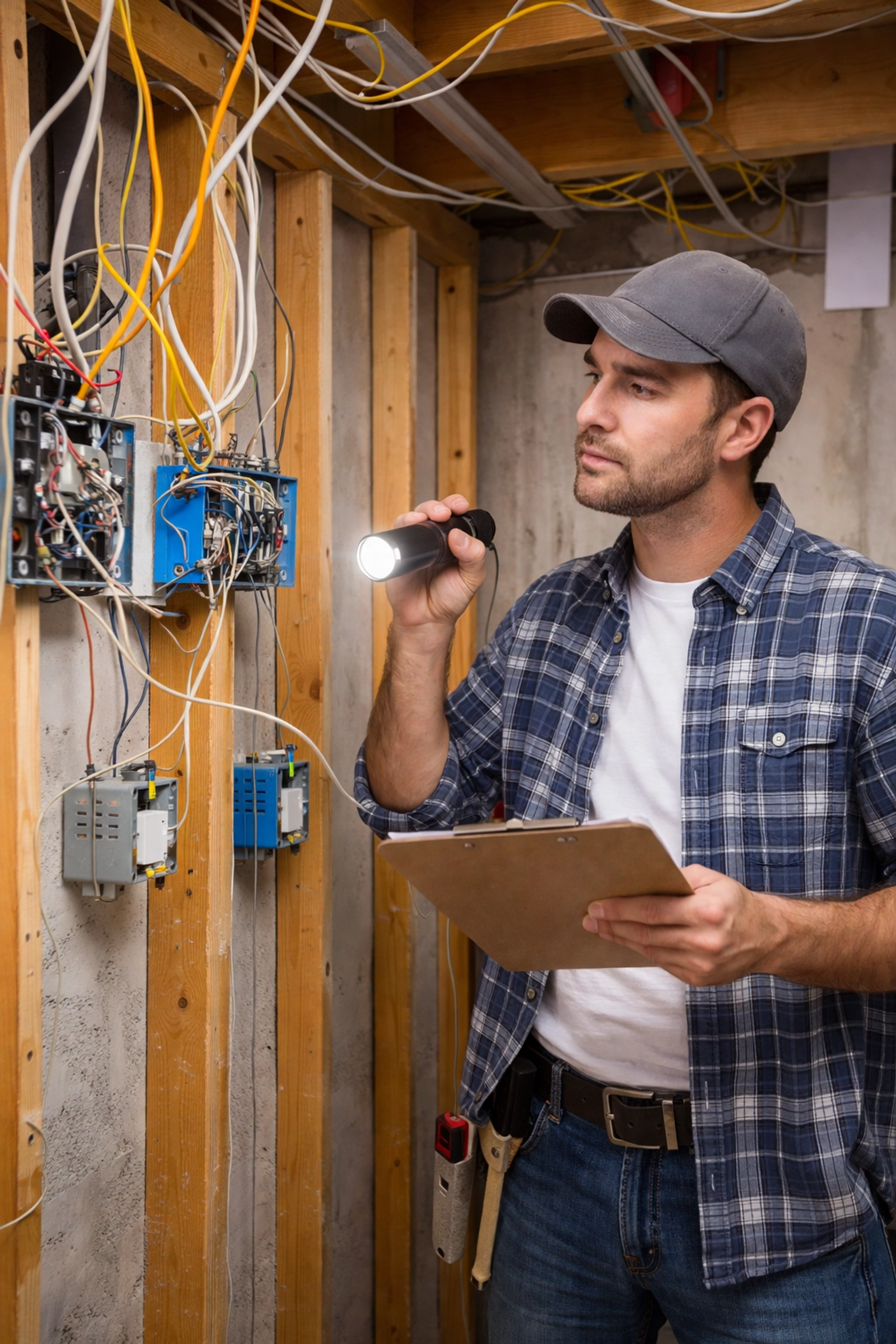
What to do instead:
For anything beyond cosmetic updates, hire licensed professionals and pull the proper permits. Yes, it costs more upfront. But permitted, professional work protects your investment, keeps buyers confident, and ensures you don't have awkward conversations during the inspection period.
What Actually Works in the Denver Market?
Now that we've covered what to avoid, let's talk about where your renovation dollars will work hard for you. Here are some projects with proven returns in the Colorado market:
Notice a theme? These are mostly exterior improvements and minor updates rather than major interior overhauls. Curb appeal matters: a lot: especially in competitive Denver Metro neighborhoods.
A minor kitchen remodel (think refreshed cabinets, new countertops, updated appliances) returns nearly double what a gut renovation does. Sometimes, less really is more.
The Bottom Line
Renovating your home should feel exciting, not stressful. The key is making smart choices that align with what Denver-area buyers actually want. Before you start any major project, ask yourself: Am I doing this for me, or am I expecting a return?
If it's for you: and you plan to stay long-term: go ahead and enjoy that hot tub. But if resale value matters, focus on broad-appeal upgrades, quality craftsmanship, and projects that enhance rather than overwhelm.
Got questions about what renovations make sense for your specific home and neighborhood? I'm always happy to chat. Whether you're prepping to sell or just planning ahead, making informed decisions now can save you thousands later.
Check out current Denver Metro listings to see what's selling: and what features buyers are actually paying for.


