
Published February 5, 2026
7 Mistakes You're Making When Selling Your Denver Home in a Balanced Market


Remember 2021? When you could slap a "For Sale" sign in your yard, skip the deep clean, and have 15 offers by Tuesday? Yeah, those days are over.
Denver's real estate market has shifted, and if you're still using the "frenzy playbook," you're setting yourself up for disappointment (and probably leaving money on the table). We're now in what's called a balanced market, which basically means buyers have options again, and sellers need to actually compete.
The good news? With the right strategy, you can still sell quickly and get top dollar. The bad news? A lot of sellers are making the same preventable mistakes that are costing them weeks on the market, and thousands of dollars.
Let's talk about the seven most common missteps I'm seeing right now in Denver, Centennial, and Aurora, and how to avoid them.
Mistake #1: Overpricing Because "My Neighbor Sold for That Two Years Ago"
This is the big one. And it's killing deals left and right.
Here's the truth: what your neighbor got in 2022 or even late 2024 doesn't matter anymore. Buyers today are savvy. They're looking at multiple homes, running comps on their phones, and they know when something's overpriced.
When you price your home based on emotion, or outdated comps, you're basically telling buyers to keep scrolling. An overpriced listing sits longer, gets fewer showings, and eventually you're forced to drop the price anyway. Except now, buyers are wondering what's wrong with it.
The fix: Work with an agent (hey there) who can pull recent sold data, not just listing prices, from your specific neighborhood. In a balanced market, pricing it right from day one is everything. You want those first two weeks of showings to be hot, not crickets.
Mistake #2: Skipping the Deep Clean and Minor Repairs
I get it. You're busy. And it's tempting to think, "Buyers can see the potential, right?"
Wrong.
Today's buyers want turnkey. They're comparing your home to five others this weekend, and if yours has scuffed baseboards, a leaky faucet, or a yard that looks like it hasn't seen a rake since October, you're losing them.
The stuff that matters most:
- Fresh paint (especially if your walls are "landlord beige" or bold colors)
- Deep cleaning carpets, windows, and grout
- Fixing obvious stuff: leaky faucets, broken cabinet pulls, cracked tiles
- Decluttering like your life depends on it
Think of it this way: for a few hundred bucks and a weekend of elbow grease, you can add thousands to your final offer. Or you can skip it and watch buyers lowball you during inspection negotiations.
Mistake #3: Using Cell Phone Photos Instead of Professional Shots
This one drives me crazy because it's such an easy win, and so many sellers still skip it.
93% of buyers start their search online. That means your listing photos are your first impression, your curb appeal, and your elevator pitch all rolled into one. And if you're uploading grainy iPhone pics taken at noon with bad lighting? You're toast.
Professional photography isn't just about making your home look pretty (though it does). It's about making buyers stop scrolling and click "Schedule a Showing."
What pro photography includes:
- Wide-angle shots that make rooms feel spacious
- Perfect lighting (twilight shots of the exterior are chef's kiss)
- Staging that highlights your home's best features
- Drone footage if you've got a view or good lot size
Bottom line: if you're serious about selling, hire a professional photographer. It's one of the best ROI moves you can make.
Mistake #4: Not Being Flexible with Showings
You know what kills momentum faster than anything? "Showings by appointment only, 48 hours notice required."
Listen, I get it. You've got kids, dogs, a work-from-home setup, and the last thing you want is strangers walking through while you're on a Zoom call. But in a balanced market, convenience wins.
If a buyer is touring five homes on Saturday and yours requires a special appointment on Tuesday, guess which one they're skipping?
The fix: Make your home as easy to show as possible. Use a lockbox. Keep it show-ready. If you need a couple hours notice, fine, but don't make buyers jump through hoops. Every "no" to a showing request is a potential buyer you'll never see.
And yes, this means you might need to take the dog to the park more often. Consider it cardio.
Mistake #5: Taking Low Offers Personally
This is where emotions get messy.
Someone offers $20K under asking, and suddenly you're offended. "How dare they insult my beautiful home!"
Here's the thing: buyers aren't insulting you. They're negotiating. It's literally part of the process.
In a balanced market, lowball offers are data. If you're getting them, it usually means one of two things: your price is too high, or there's something buyers are seeing that concerns them (see Mistakes #2 and #6).
The fix: Don't take it personally. Counter strategically. Talk to your agent about why the offer came in low and what adjustments (if any) you should make. Sometimes a low offer turns into your best deal once you dig into the details.
And remember: the goal isn't to "win" the negotiation. It's to sell your home for the most money in the least amount of time.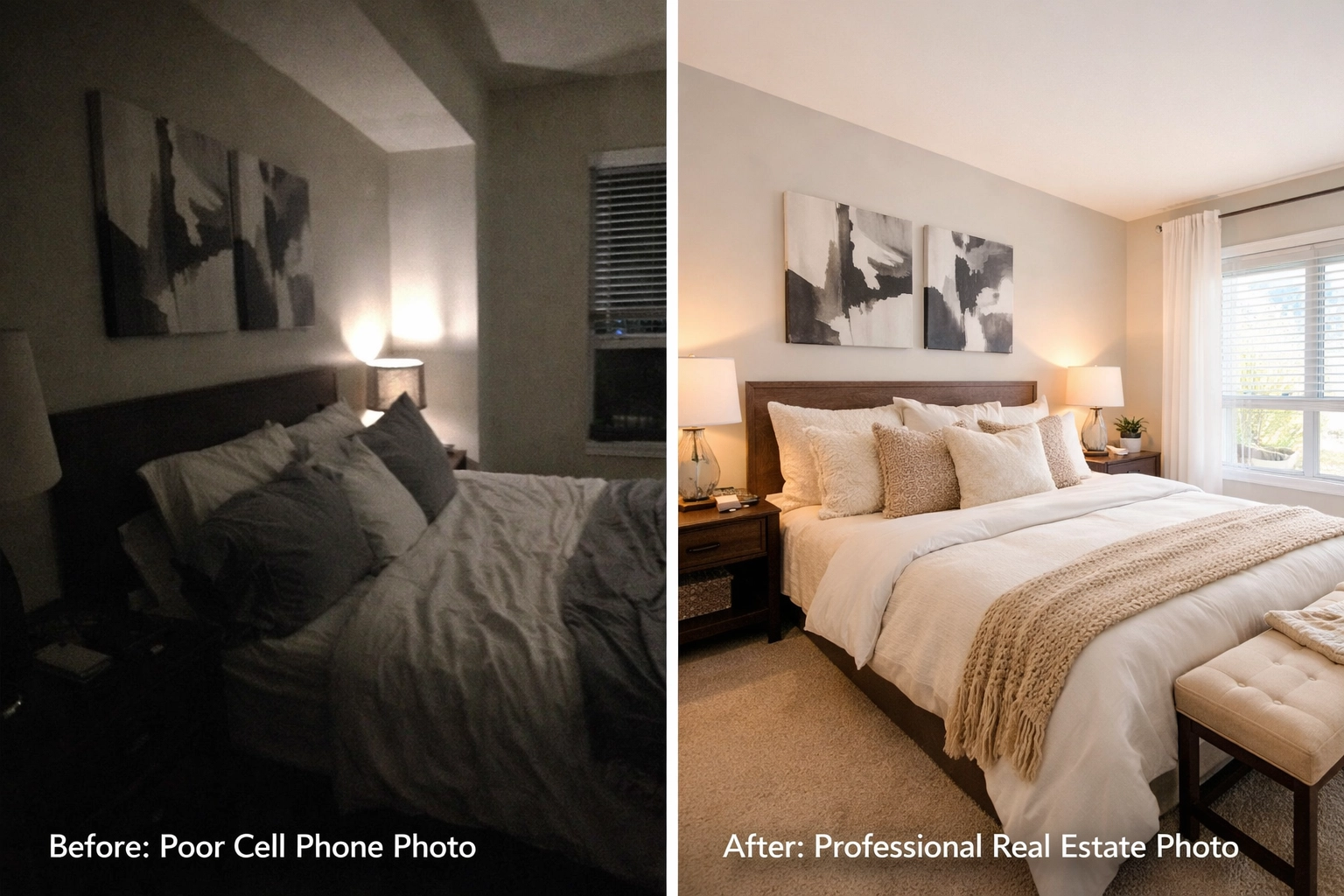
Mistake #6: Neglecting Curb Appeal
You know the saying: "You never get a second chance at a first impression."
If buyers pull up and see overgrown bushes, peeling paint on the front door, or a driveway that looks like a parking lot, they're already mentally lowering their offer before they even step inside.
Quick curb appeal wins:
- Mow the lawn, edge the walkways, pull the weeds
- Trim bushes and trees (especially if they're blocking windows)
- Paint or stain the front door
- Add a new doormat and some potted plants
- Power-wash the driveway and siding
These are not expensive fixes. You can knock out most of this in a weekend for under $300. But the ROI? Massive.
In Denver's competitive spring market, curb appeal can literally be the difference between an offer and a pass.
Mistake #7: Ignoring the Competition Down the Street
Pop quiz: How many homes are currently for sale in your neighborhood? What are they priced at? How do they compare to yours?
If you don't know the answers, you're flying blind.
One of the biggest mistakes I see sellers make is treating their listing like it exists in a vacuum. But buyers? They're comparing you to every other home in your price range and zip code.
The fix: Do your homework (or let your agent do it for you). Look at active listings in your area. Go tour a few if you can. See what they're offering that you're not, or vice versa.
Maybe your neighbor just listed with brand-new appliances and a finished basement. Okay, so how do you compete? Maybe you've got a bigger yard, better natural light, or a quieter street. Highlight that stuff.
In a balanced market, differentiation is everything. Don't just list your home: position it as the obvious choice.
The Bottom Line
Selling a home in Denver's 2026 market isn't rocket science, but it does require a shift in strategy. The "frenzy era" taught sellers some bad habits: overpricing, underprepping, and assuming buyers will overlook flaws.
That doesn't work anymore.
Today's buyers are informed, patient, and picky. They've got options. So if you want to stand out, you need to price it right, prep it well, market it professionally, and stay flexible throughout the process.
And here's the best part: when you do those things, you still get great results. Homes that are priced correctly and show well are still selling quickly in Denver. You just can't phone it in anymore.
If you're thinking about listing this spring and want to avoid these mistakes (and a few others I didn't even mention), let's talk. I'm happy to walk through your home, pull comps, and give you an honest game plan: no pressure, no BS.
You can check out current listings and market trends on my website, or just reach out directly. Let's get your home sold the right way.


