
Published February 27, 2026
Google Just Changed How Denver Buyers Find Homes: What Sellers Need to Know Before Spring Listings


As we march into the spring of 2026, the Denver real estate market is feeling a familiar buzz. But underneath the typical seasonal rush, a massive shift has occurred in how buyers are discovering their next move. If you’re planning to list your home this season, you can’t rely on the "post it and they will come" strategy of years past.
Google has fundamentally overhauled its local search algorithms and real estate discovery features. The way a buyer in Westminster or Aurora finds a home today is vastly different than it was even eighteen months ago. We’re moving away from a world dominated solely by third-party portals and toward a "Search-to-Front-Door" pipeline driven by Google’s advanced AI and localized data sets.
For sellers, this means "digital curb appeal" has been redefined. It’s no longer just about high-res photos; it’s about how your listing’s data speaks to Google’s algorithm.
The Death of the Traditional Search Path
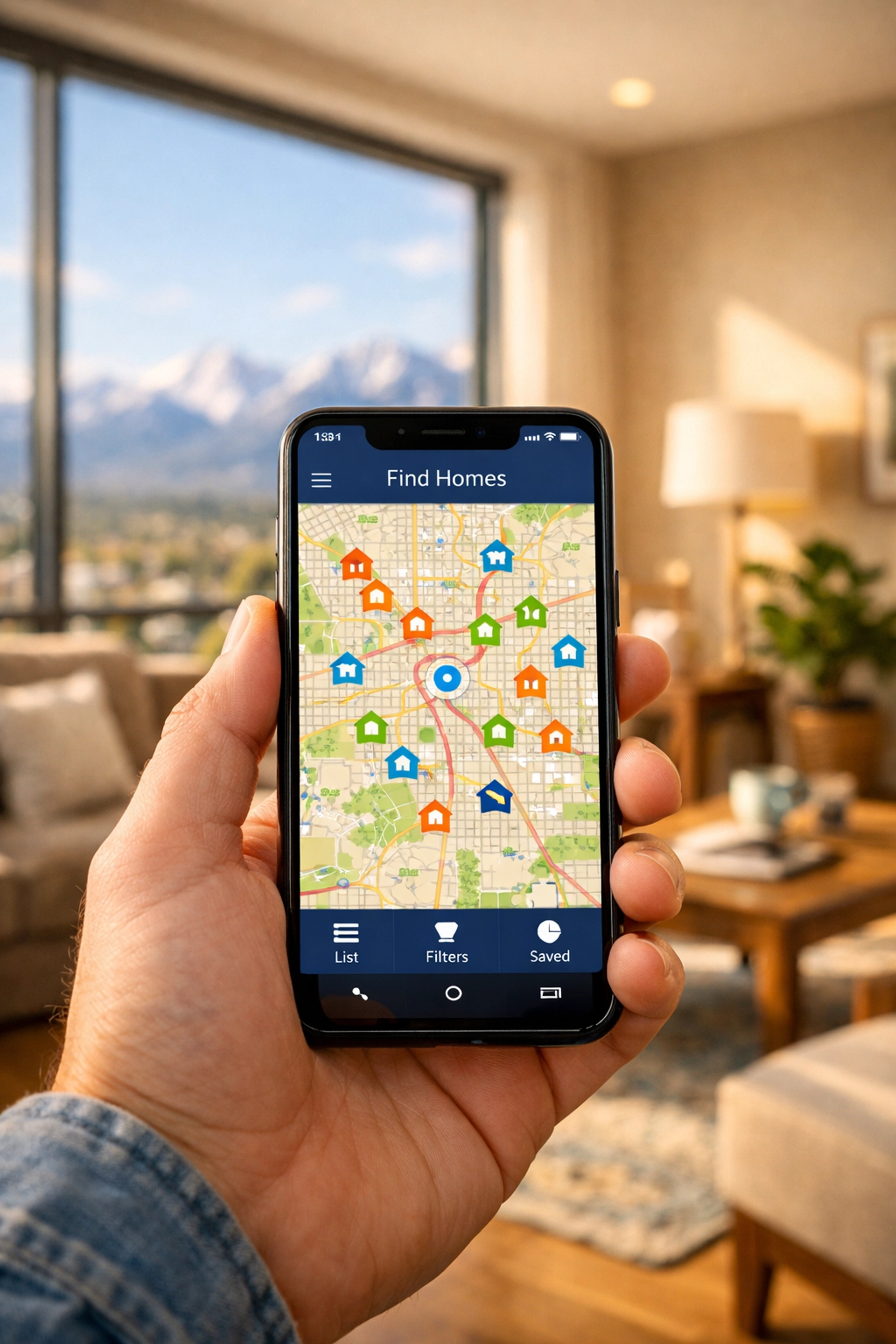
Historically, a Denver buyer would head to a major real estate portal, filter by zip code, and scroll. Today, Google’s Search Generative Experience (SGE) and integrated Maps features are intercepting that journey. Buyers are now typing highly specific queries into their phones: "Modern 3-bedroom homes near light rail in Denver under $700k" or "Quiet cul-de-sac listings in Centennial with solar panels."
Google isn't just showing a list of links anymore. It's pulling "Deep Listing Data" directly into the search results page. If your home: like this stunning property at 6841 W Asbury Pl, Lakewood: doesn't have its digital assets optimized for these specific queries, it might as well be invisible to a huge segment of the market.
Why Data is the New Curb Appeal
In 2026, Google is testing new advertising and organic formats that compete directly with traditional real estate platforms. This shift prioritizes structured data. When we talk about "listing data," we’re talking about more than just the price and square footage. We’re talking about the metadata attached to your home’s digital profile.
Google’s vision for real estate discovery includes:
- Direct Map Integration: Buyers are searching within Google Maps for specific neighborhoods and school districts.
- Incentive Highlighting: With the 2026 market showing higher inventory levels, Google is now surfacing "Seller Concessions" or "Rate Buydowns" directly in the search snippets.
- AI Image Recognition: Google’s algorithms can now "read" photos to identify features like quartz countertops, hardwood floors, or professional landscaping without the buyer even reading the description.
> "Digital presence isn't just about having pretty photos anymore; it's about being discoverable in a fragmented tech landscape where the search engine is the gatekeeper." : Russ Porter, CEO.
Navigating the Spring 2026 Market Dynamics
The Denver metro area is currently seeing a significant increase in inventory compared to the frantic "seller's market" of the early 2020s. Recent data indicates that the median days on market for attached homes has hovered around 53 days. This means buyers are being more selective. They have the luxury of time and the power of information.
Because there are more options on the table, sellers need to ensure their digital footprint is massive. Whether you are selling a townhome in Lakewood or a sprawling property in Denver, your listing needs to be the one that pops up when a buyer asks their AI assistant for the "best value in the neighborhood."
The High Stakes of Local SEO for Sellers
Google’s "Real Estate Near Me" features are now heavily influenced by local relevance. This is where your agent’s digital strategy becomes your greatest asset. It’s not enough to be on the MLS. To win the spring season, your listing needs to leverage:
- Localized Content: Mentioning nearby landmarks, popular coffee shops, or specific park names within the listing description helps Google’s local algorithm categorize the property.
- Virtual Tours as Data: Google favors listings with 3D tours and video content, as these keep users engaged longer, signaling to the algorithm that the content is high-quality.
- Structured Schema: This is the "behind-the-scenes" code that tells search engines exactly what the data points are. If your home has a "rate buydown" offer: a popular move in today's market: it needs to be coded so Google can "read" it and display it to cost-conscious buyers.
For example, a listing in Denver needs to be optimized for buyers searching for proximity to the tech corridor and easy access to both Denver and Boulder.
What Sellers Should Do Right Now
If you’re looking to list before the peak of the spring season, here is your digital-first checklist:
1. Demand a "Google-First" Marketing Plan
Ask your agent how they plan to capture search traffic outside of the standard real estate apps. Are they using localized landing pages? Are they utilizing Google Business Profiles to highlight featured listings?
2. Focus on "Feature-Specific" Photography
Since Google’s AI is now identifying room types and features, make sure your photos are clear and focused on high-value items. A cluttered kitchen doesn't just look bad to a human; it confuses the algorithm trying to categorize your "chef’s kitchen."
3. Price for the "Snippet"
In a market with more inventory, buyers are looking for value markers. If you’re offering a credit for a mortgage rate buydown, ensure that’s front and center in your digital description. Google is increasingly pulling these "deal-sweeteners" directly into the search results. Properties like Lakewood succeed because they clearly communicate their unique value proposition to both search engines and humans.
The Neighborhood Factor
We’re seeing huge search volume shifts in specific pockets of the Denver metro. Areas like Longmont and Mead are trending because buyers are searching for "more space" and "new construction" at a higher rate than "urban core" in the 2026 climate. If your home is in one of these growth corridors, your digital strategy should lean heavily into the "lifestyle" keywords associated with those areas.
Why Experience Matters in a Tech-Driven Market
It’s easy to get overwhelmed by the technicality of search algorithms and AI discovery. However, the core of real estate remains the same: it’s about people and their homes. The technology is simply the bridge that connects the two.
At the Russ Porter agency, we stay ahead of these Google updates so you don’t have to. We understand that selling a home in 80221 requires a different digital fingerprint than selling one in Buena Vista.
The 2026 spring market offers incredible opportunities for sellers who are willing to adapt. While there is more competition and buyers are more discerning, the tools available to reach those buyers are more powerful than ever. By optimizing for Google’s new discovery features, you aren't just putting a sign in the yard: you’re putting your home in front of the exact person searching for it at the exact moment they’re ready to buy.
If you’re curious about how your home would perform in today’s search landscape, or if you want to see a localized market report for your specific zip code: from Elizabeth to Fort Collins: don't hesitate to reach out.
The market has changed, and the way we find homes has changed with it. Is your listing ready for the new era of search?