
Published June 9, 2026
New Construction vs. Resale: Which Is Better For Your Denver Metro Move?

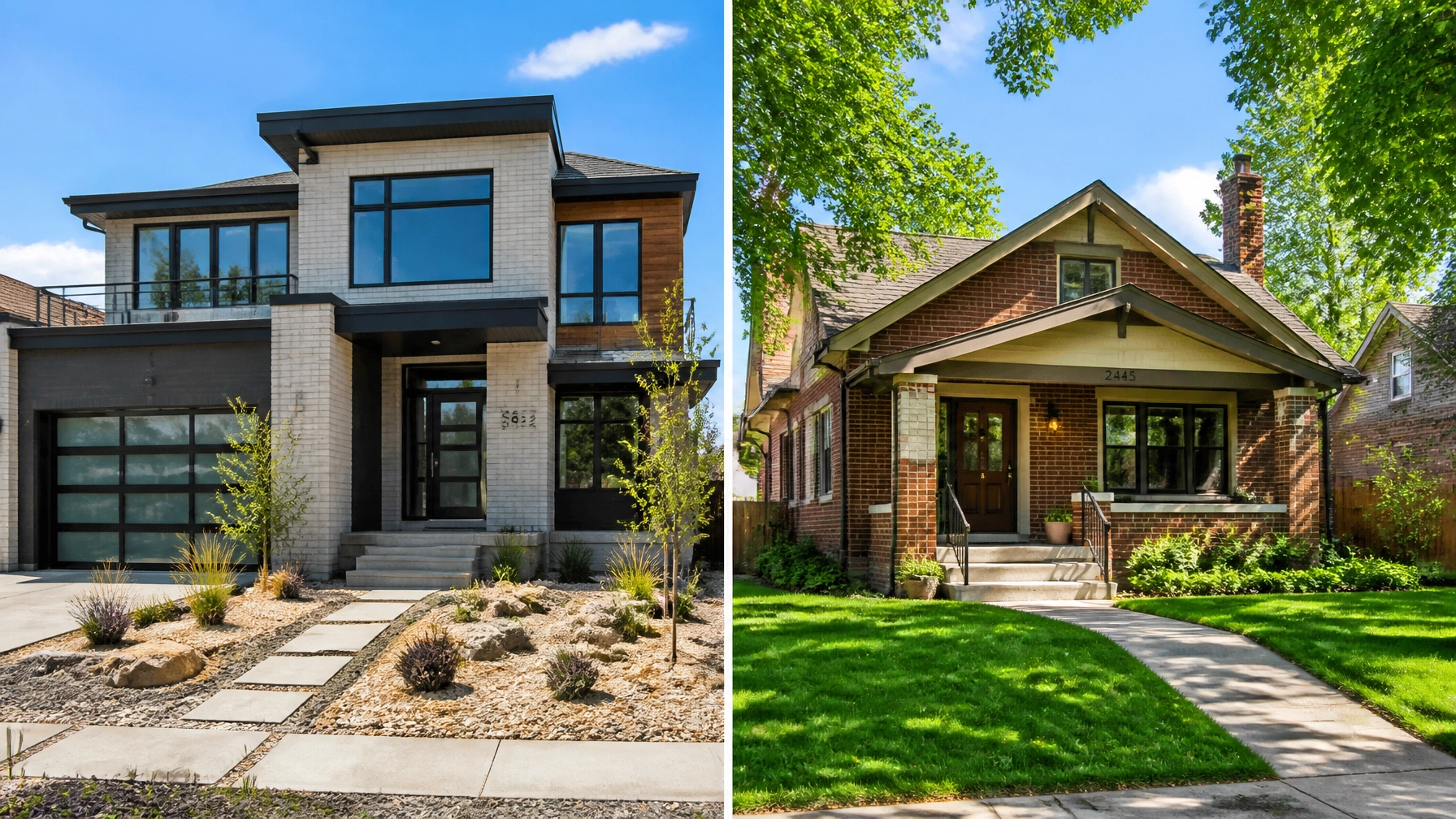
Deciding to buy a home in the Denver Metro Area is a big move, literally and figuratively. Once you've narrowed down your budget and decided that the Mile High City (or one of its sprawling suburbs) is where you want to plant roots, you’re immediately faced with the ultimate real estate fork in the road: Should you buy a brand-new construction home or a lived-in resale property?
In 2026, the answer isn’t as simple as it used to be. The market has shifted from the "wild west" of a few years ago to a more balanced and steady environment. With interest rates hovering in the low 6s and inventory finally stabilizing, both paths have some serious perks.
At Cadre, we’re all about transparency. We don’t just want to sell you a house; we want to make sure you’re making the right move for your lifestyle and your wallet. So, let’s pull back the curtain and see how new builds stack up against established homes in today's Denver market.
The Allure of the "New Car Smell": New Construction
There’s something undeniably satisfying about being the first person to cook a meal in a kitchen or the first to sleep in a master suite. In areas like Aurora and Littleton, new communities are popping up that offer a lifestyle many buyers find irresistible.
Modern Living, Modern Standards
One of the biggest draws of new construction is the layout. Older Denver homes often have "choppy" floor plans, tiny kitchens tucked away behind walls and limited closet space. Modern builders, however, focus on the open-concept lifestyle. You get the high ceilings, the massive kitchen islands, and the "flex spaces" that work perfectly for a home office or a yoga room.
Beyond the aesthetics, you’re getting a home built to the latest energy codes. In a state like Colorado, where we get 300 days of sun but also some pretty biting winters, energy efficiency isn't just a "nice-to-have", it's a massive monthly saver. From high-efficiency HVAC systems to superior insulation and double-pane windows, new builds are designed to keep your utility bills low.
The Power of Incentives
In 2026, builders are working harder than ever to earn your business. Because they often have "standing inventory" (homes that are already built or nearly finished), they’re offering incentives that most individual sellers just can’t match.
We’re seeing builders like Richmond American and Trumark offer massive mortgage rate buy-downs. Imagine the market rate is 6.25%, but your builder offers a permanent buy-down to 5.25%, or even a temporary "3-2-1" buy-down that starts your rate at 3.25% for the first year. That’s hundreds of dollars back in your pocket every single month.
If you’re looking for a great example of this, check out some of the new opportunities in Windler in Aurora. These communities often come with "Flex Funds" that can be used for closing costs or upgrades, making the initial out-of-pocket cost much lower.
The Character and Convenience of Resale
On the other side of the coin, we have resale homes. Whether it’s a 1920s bungalow in the Highlands or a sprawling 1980s multi-level in Centennial, resale homes offer something new construction often lacks: Character and Location.
Established Neighborhoods
When you buy a resale home, you aren't just buying a house; you’re buying into an established ecosystem. You get the mature, towering cottonwood trees that provide actual shade in the summer. You get neighbors who have lived there for ten years and can tell you where the best local coffee shop is.
Location is perhaps the biggest "pro" for resale. Most of the new construction is happening on the edges of the metro area (think far east Aurora or north towards Erie). If you want to be within a 15-minute commute to downtown Denver or walk to a park like Wash Park, you’re almost certainly looking at a resale home. Places like Homestead Farm in Centennial offer a sense of community and established amenities that a brand-new development might take a decade to replicate.
Negotiation and Value
In a balanced market like we’re seeing in June 2026, resale buyers have a lot of leverage. Since average days on market have climbed to around 80 days, sellers are often more willing to negotiate on price or offer concessions for repairs.
While you won't get a 3% interest rate from a private seller, you might be able to negotiate a $20,000 price drop or a significant credit to replace an aging roof. Plus, resale homes often come with "extras" that new builds don't. Think window treatments (curtains and blinds are surprisingly expensive!), a fully landscaped backyard, and maybe even a finished basement that the previous owners poured their heart into.
The Financial Breakdown: A Head-to-Head
So, which one wins the math war? It depends on your timeline.

> "The biggest mistake we see buyers make is comparing just the sticker price. You have to look at the 'Total Cost of Homeownership' over the first five years. A new build might cost $50,000 more, but if the builder pays for your landscaping and gives you a 5% interest rate, your monthly reality might actually be cheaper than the 'cheaper' resale home." , Russ Porter, CEO of Cadre
Making the Choice: Questions to Ask Yourself
Still on the fence? Ask yourself these four questions:
- Am I a DIY-er? If the thought of painting a room or updating a bathroom excites you, a resale home is your canvas. If you want everything perfect from day one, go new.
- How much do I hate commuting? New construction like Sterling Ranch in Littleton is stunning, but if your office is in LoDo, you need to be okay with the drive.
- What’s my risk tolerance? New builds come with warranties that provide peace of mind. Resale homes come with a history: which can be charming or, if you're unlucky, a bit of a headache.
- How long do I plan to stay? If this is a "forever home," the customization of a new build is worth it. If it’s a 3-5 year starter, a resale home in a high-demand neighborhood might appreciate more reliably.
Why Cadre is Your Secret Weapon
Whether you're leaning towards the sleek lines of a new build in Aurora's Brio community or a classic Highlands Ranch resale, you shouldn't go it alone.
Builder sales reps are great, but remember: they represent the builder, not you. At Cadre, we walk you through the entire transaction. We know which builders are currently offering the best rate buy-downs and which resale neighborhoods are about to see a surge in value. We’re here to give you integrity-driven advice, even if that means telling you to wait or suggesting a different neighborhood that better fits your budget.
Buying a home in the Denver Metro Area is a journey. Whether you want the "New Construction" path or the "Resale" route, we've got the map.
Ready to start your search? Check out our latest Denver Metro listings or reach out to us today for a casual, no-pressure consultation. Let’s find your Denver home together.


