
Published June 25, 2026
The Ultimate Denver Metro Homebuyer Guide: Everything You Need to Succeed in 2026

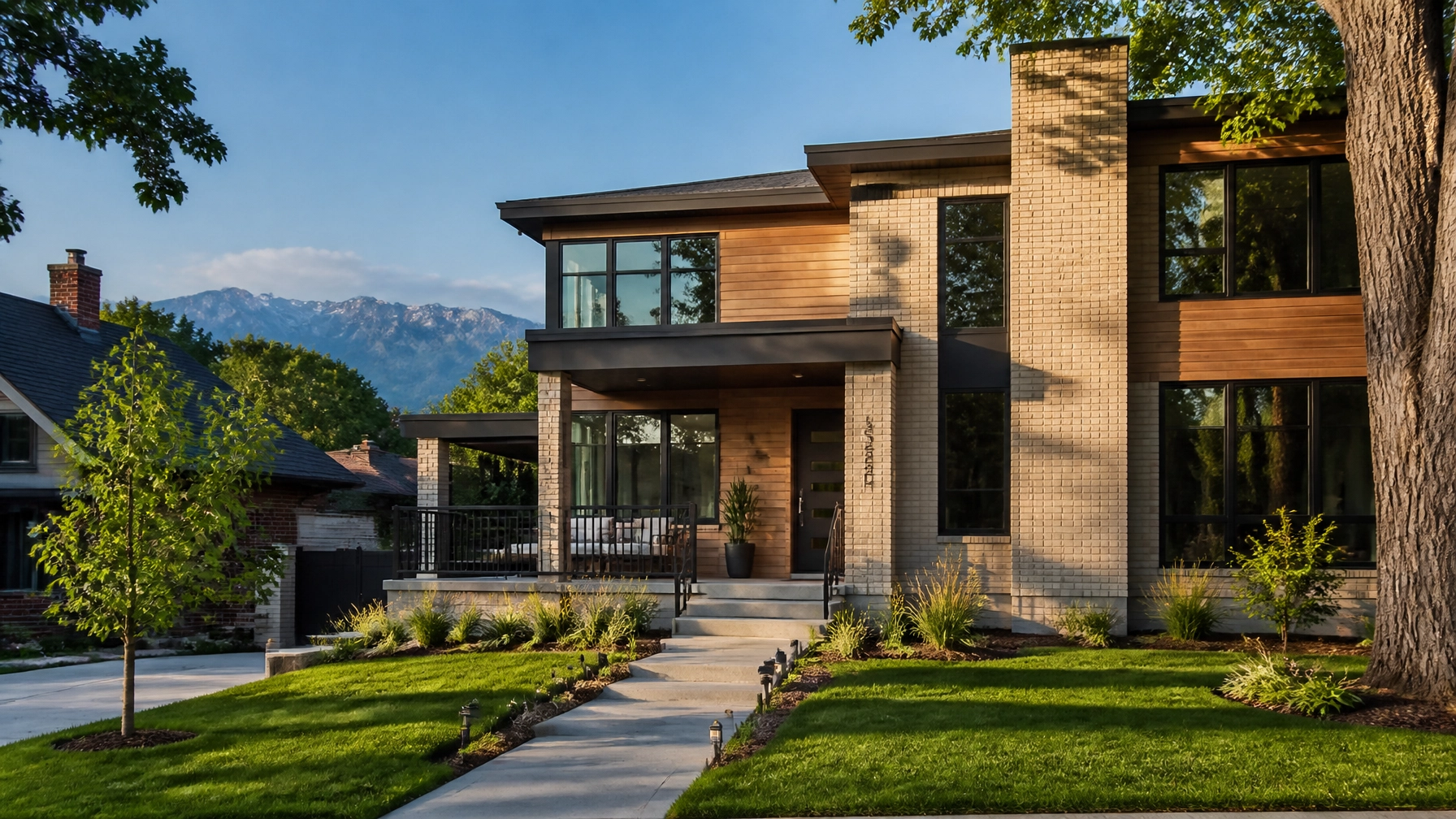
If you’ve been watching the Denver real estate market over the last few years, you know it’s been a bit of a wild ride. We’ve seen the "frenzy years" of 2021, the "wait-and-see" era of 2024, and now, in June 2026, we’ve settled into something we haven't seen in a long time: a truly balanced market.
At Cadre, we believe that an educated buyer is a successful buyer. We aren't here to push you into a mortgage you aren't ready for; we're here to walk you through the process so you can make a decision that's right for your family and your future.
Whether you're looking for your first condo in Aurora or a forever home in Centennial, this is your definitive guide to navigating the Denver Metro market in 2026.
1. The 2026 Denver Market: What You’re Walking Into
The headlines might sound confusing, but for a buyer, the news is actually quite good. We are currently in a market characterized by high inventory and more negotiating leverage than we’ve seen in a decade.
As of June 2026, the median price for a single-family home in the Denver Metro area is roughly $630,000 (down about 1.2% from last year). If you're looking at condos or townhomes, the median is much more accessible at $292,000.
Here is the "Secret Sauce" of the 2026 market:
- Inventory is up: We have 60% more single-family homes and 86% more condos on the market than we did two years ago.
- The Power of Concessions: More than 60% of sellers are now offering concessions. This means they are paying for your closing costs, or better yet, paying to buy down your interest rate.
- Days on Market (DOM): Homes are sitting for 56 to 70 days. You don’t have to decide in two hours after a tour anymore. You can take a breath, sleep on it, and do your due diligence.
> "For the first time in a long time, the buyer is back in the driver's seat. You can actually ask for repairs and rate buydowns without getting laughed out of the room." : Russ Porter, CEO of Cadre.
2. The 8-Step Homebuying Process in Colorado
Buying a home in Colorado has a few unique quirks, especially with recent changes in real estate law. Here is the step-by-step roadmap we use at Cadre.
Step 1: Financial Prep and Pre-Approval
Don’t just get "pre-qualified" over a 5-minute phone call. You need a full pre-approval where a lender has actually verified your taxes and income. This makes your offer as strong as cash in the eyes of a seller.
Step 2: Choose Your Loan Type
Between Conventional, FHA, VA, and USDA, your choice affects your down payment and your monthly insurance costs. We can help you find a local lender who understands the financing options specific to Colorado.
Step 3: Find a Buyer's Agent
Since August 2024, Colorado law requires a written agreement between you and your agent before you can even start touring homes. This ensures transparency about how your agent is paid and what their duties are to you. At Cadre, we pride ourselves on being your educators, not just your tour guides.
Step 4: Search and Tour Strategically
With more inventory, you can be picky. Look at different communities to see where your dollar goes furthest. We’ll help you spot the difference between a "flip" with cheap materials and a home that was truly cared for.
Step 5: Make an Offer (with a Concession Strategy)
In 2026, we don't just talk about price. We talk about terms. We often ask for a "2-1 buydown," where the seller pays to lower your interest rate by 2% for the first year and 1% for the second. This can save you hundreds of dollars a month.
Step 6: Inspections (The Colorado Specials)
In Colorado, you need more than just a general inspection. You absolutely need a Radon Test (Colorado has high levels) and a Sewer Scope (especially in older Denver neighborhoods like Park Hill or the Highlands).
Step 7: Appraisal and Underwriting
The bank will send someone to ensure the home is worth what you’re paying. In this balanced market, if the appraisal comes in low, we can often negotiate the price down to match it.
Step 8: Closing at a Title Company
In Colorado, we typically close at a title company, not an attorney's office. You’ll sign the papers, get the keys, and the home is officially yours!
3. Down Payment Assistance: You Might Not Need 20% Down
One of the biggest myths is that you need a massive down payment. In 2026, there are several robust programs designed to help Denver buyers get into a home for very little out-of-pocket:
- CHFA (Colorado Housing and Finance Authority): Offers a grant of up to 3% or a deferred second mortgage of up to 4%. This is a statewide staple.
- metroDPA: A regional program that offers up to 6% in assistance. It’s a forgivable loan if you stay in the home for at least three years.
- City of Aurora DPA: If you’re looking in Aurora, you can get between 4% and 10% in assistance as a "silent second" mortgage. This is a game-changer for first-time buyers.
- MMAP (Metro Mortgage Assistance Plus): Offers a 4% grant that you don’t have to pay back.
- HOST (Denver Department of Housing Stability): Great for low-to-moderate income buyers looking for income-restricted "affordable" units.
4. Denver Metro Neighborhoods at a Glance
Where you live depends on your budget and your lifestyle. Here is how the metro area breaks down in mid-2026:
- Central Denver (Cherry Creek, Wash Park, Highlands): These remain the "gold standard." They are the most resilient in terms of value, but expect to pay a premium.
- Aurora: This is currently the best value in the metro area. You can find beautiful homes in the mid-$400Ks, and sellers here are often the most willing to negotiate on closing costs.
- Centennial: Known for great schools and a suburban feel, Centennial is more competitive. Median prices hover around $650K+, but the long-term value is incredibly stable.
- Lakewood / West Side: This is the "sweet spot." You get closer proximity to the mountains without the extreme prices of Golden or Boulder.
- Thornton & Westminster: These northern suburbs are fantastic entry-level options for families who want a newer build with a smaller price tag.
5. 7 Winning Strategies to Win Without Overpaying
In this market, the best buyers are not always the ones with the highest offer. They are the ones with the smartest structure. At Cadre, we spend a lot of time helping buyers look beyond headline price and focus on the full financial picture: monthly payment, upfront cash, repair risk, taxes, and negotiating leverage. That is where real savings happen.
As Russ likes to say, "A winning offer isn't always the biggest offer. It's the one that solves the seller's problem while protecting the buyer's future."
1. Start With a Fully Underwritten Pre-Approval, Not Just a Quick Letter
A basic pre-qualification is better than nothing, but in a balanced market, a stronger pre-approval gives you more than credibility: it gives you options. When your lender has already reviewed income, assets, and documentation in detail, you can move faster, write cleaner terms, and negotiate from a position of confidence.
At Cadre, we encourage buyers to get prepared early so we can compare realistic payment scenarios before a home ever hits the negotiation stage. That includes looking at your comfortable monthly budget, not just the maximum number a lender says you can afford. This matters because it helps us decide when to push on price, when to ask for seller-paid closing costs, and when a rate buydown will create more value than a lower purchase price.
A strong pre-approval also helps when we are asking a seller for concessions. If the listing side sees that your financing is solid, they are much more likely to work with requests like closing-cost credits or temporary buydowns because the deal feels dependable.
2. Use Seller Concessions Strategically Instead of Only Chasing a Lower Price
One of the biggest mistakes buyers make is negotiating as if price is the only lever that matters. In 2026, seller concessions are often where the best deal is made. A seller credit can be used to cover closing costs, prepaids, or approved financing strategies that lower your monthly payment, which can preserve thousands of dollars in cash at closing.
At Cadre, we look at how long the home has been on the market, whether there have been price reductions, how the property compares to nearby competition, and what the seller may actually care about most. Sometimes the seller wants to protect their list-price number for appraisal or neighborhood optics, but they are far more open to giving a credit. That is where we can often create a win-win.
For example, instead of fighting for another small price cut, it may be smarter to negotiate a seller concession that reduces your out-of-pocket costs now. That can leave you with more reserves for moving, repairs, furnishing the home, or simply keeping your emergency fund intact. In many cases, that flexibility is more valuable than shaving a little off the sticker price.
3. Make Rate Buydowns Part of the Offer Conversation From Day One
Rate buydowns should not be an afterthought. They should be part of the strategy from the moment we build the offer. At Cadre, we regularly help buyers compare whether it makes more sense to ask the seller for a price reduction, a temporary buydown, or a permanent buydown based on the buyer's timeline and cash position.
A 2-1 buydown can be especially helpful for buyers who expect their income to increase over the next couple of years or who simply want breathing room during the first year of ownership. With this structure, the seller funds a lower interest rate for the first two years of the loan, which can reduce payments meaningfully when buyers are also adjusting to new homeownership costs.
A permanent buydown can be the better move for buyers planning to stay put for a long time. Instead of getting short-term relief, you lock in a lower payment for the life of the loan. The right choice depends on your goals, how long you expect to own the home, and how much concession money the seller is willing to contribute.
This is where Cadre's guidance matters. We do not just say, "Ask for a buydown." We help you run the scenarios so you know which structure is likely to save you the most over time.
4. Target Listings With Negotiation Signals, Not Just the "Hottest" Homes
Not every listing offers the same opportunity. Some homes are priced aggressively and still drawing strong attention. Others are sending clear signs that the seller is ready to negotiate. We help buyers identify those signals early.
A home that has been sitting for a few weeks, had a recent price drop, came back on market, or is competing against several similar listings may offer more room for concessions than a fresh listing that just launched. That does not automatically mean something is wrong with the property. Sometimes the issue is timing, presentation, or overpricing out of the gate.
At Cadre, we study those patterns so buyers do not waste their strongest negotiating energy in the wrong places. We want to know: Is the seller carrying two mortgages? Did they already move? Is this property competing with new construction nearby? Has it been overlooked because it needs cosmetic updates? The answers shape the strategy.
In other words, we are not just helping you find a house. We are helping you find leverage.
5. Protect Your Money by Keeping the Right Contingencies in Place
In the frenzy years, buyers felt pressured to waive inspections, waive appraisal protections, and absorb unnecessary risk just to compete. In today's market, that is usually not the smartest move. You can often stay competitive without giving up the safeguards that protect your cash.
At Cadre, we generally advise buyers to keep the contingencies that matter most, especially inspection and appraisal. That gives us room to renegotiate if the inspection reveals a sewer issue, roof problem, radon mitigation need, or deferred maintenance that was not obvious during the showing. It also gives us leverage if the appraisal comes in below contract price.
This matters financially because every issue you uncover before closing is an opportunity to ask for repairs, credits, or a revised purchase price. A seller concession negotiated after inspections can sometimes be even more valuable than one negotiated upfront, especially if the property condition gives us a stronger case.
The goal is not to be difficult. The goal is to be protected. Smart buyers know that saving money is not just about the purchase price; it is also about avoiding surprise costs after the keys are in your hand.
6. Think in Terms of Total Monthly Payment, Not Just Purchase Price
A lot of buyers fixate on headline price because it is easy to compare. But the smarter metric is total monthly payment. Two homes with very different list prices can produce surprisingly similar payments once you factor in interest rate, taxes, insurance, HOA dues, seller credits, and metro district taxes.
This is one of the biggest ways Cadre helps buyers avoid overpaying without realizing it. We slow the process down and look at the complete payment picture. A home priced slightly higher may actually be the better financial choice if the seller is offering concessions for a permanent buydown, if the tax burden is lower, or if the HOA is healthier and less likely to hit you with future special assessments.
On the flip side, a home that looks cheaper online can become much more expensive once you account for metro district taxes, higher insurance costs, or a lack of seller participation. That is why we encourage buyers to compare homes based on true monthly cost and long-term ownership risk, not just list price.
7. Use Timing, Seasonality, and Seller Motivation to Your Advantage
Timing still matters, even in a more balanced market. Sellers who list after already buying another home, owners carrying a vacant property, and listings that sit through key seasonal slowdowns are often more flexible than they first appear. The best negotiations happen when you understand not just the property, but the seller's timeline.
At Cadre, we watch timing closely. A listing that has missed its first weekend momentum, lingered past a key market window, or remained active while competing inventory grows may be more open to credits, buydowns, repairs, or favorable possession terms. Sometimes offering the seller a rent-back, a flexible closing date, or cleaner logistics can help us win meaningful financial concessions in return.
This is especially important in the Denver Metro area, where market pace can vary significantly between neighborhoods, price points, and property types. What works on a condo in Aurora may be different from what works on a single-family home in Centennial. Our job is to match the strategy to the situation.
The bottom line: timing is not just about when you buy. It is about when and how you negotiate.
6. Colorado-Specific Things to Watch
As your buying experts, we want you to be aware of the "fine print" in Colorado:
- SPD19 (Seller's Property Disclosure): As of January 2026, there is a new, more detailed disclosure form. We’ll make sure the seller hasn't skipped over any past water damage or roof repairs.
- HOA Reserve Studies: If you're buying a condo, we need to see the "Reserve Study." If the HOA hasn't saved enough money, you could be hit with a "Special Assessment" of $10,000+ for a new roof shortly after moving in.
- Colorado Homestead Exemption: Once you close, make sure you file for your homestead exemption if you qualify. It can help protect your home's equity from certain creditors.
- Radon Mitigation: Most Colorado homes have radon. If the test comes back high, we ask the seller to install a mitigation system (usually costing $1,200 - $2,000) before you close.
Ready to Find Your Way Home?

The Denver Metro market of 2026 is full of opportunity, but it requires a strategic approach. At Cadre, we don't just want to sell you a house: we want to help you build wealth and find a community where you can thrive.
Whether you are just starting your search or you're a seasoned investor, our team is ready to provide the integrity-driven, personalized service you deserve.
Contact Cadre today to set up a no-pressure consultation. Let’s get you into the right home on your timeline.