
Published July 10, 2026
How to Negotiate Like a Pro in Denver's 2026 Balanced Market

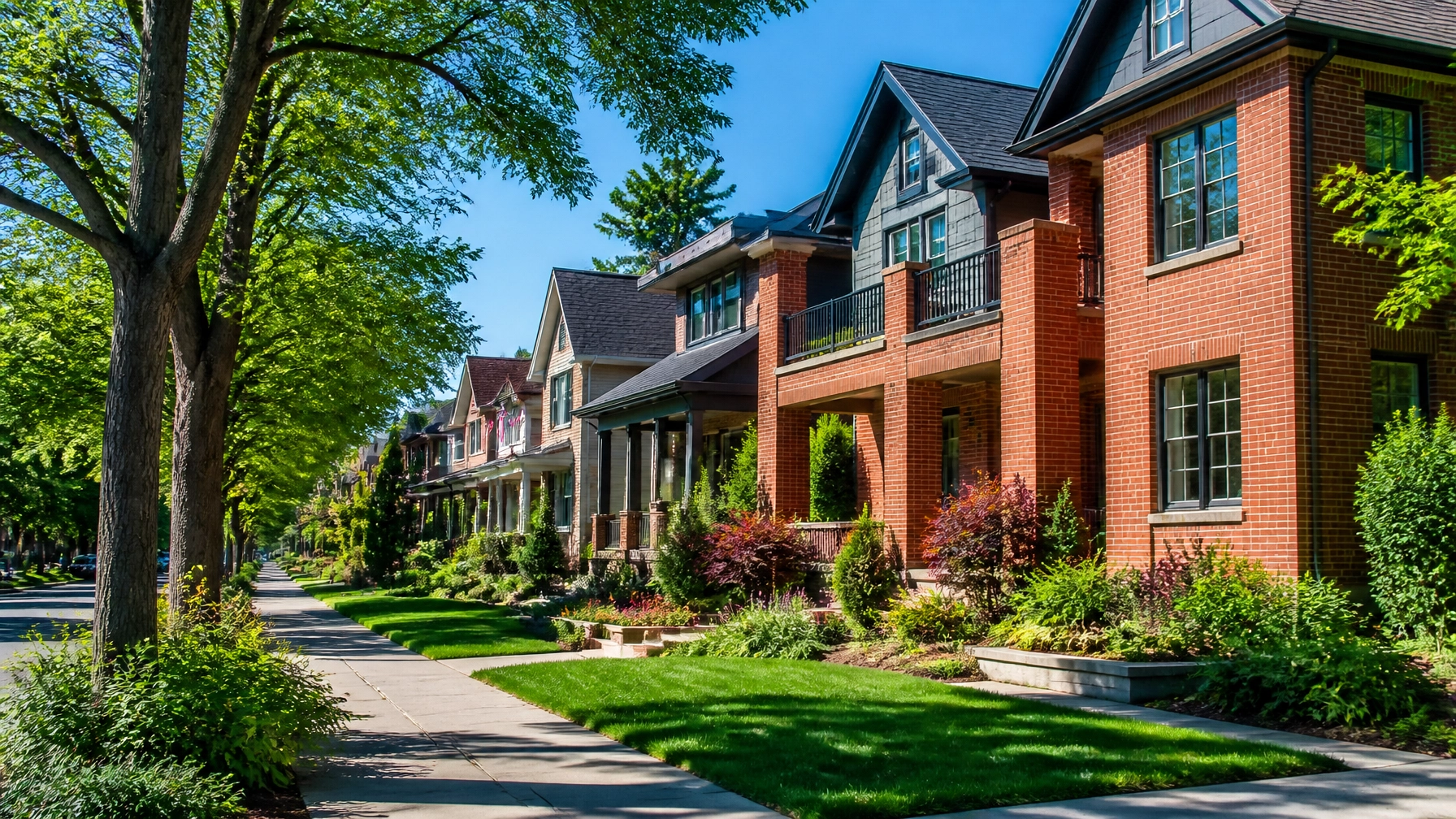
If you’ve been following the Denver real estate scene for a while, you know the "wild west" era of 2021 and 2022 is long gone. Back then, "negotiating" usually meant offering $50,000 over asking, waiving your inspection, and praying the seller liked your dog's photo.
Fast forward to July 2026, and the vibe has shifted significantly. We’ve officially moved into a balanced real estate market in Denver, and for the first time in years, buyers actually have some room to breathe: and some serious room to negotiate.
While the market isn't exactly "crashing" (sorry to those waiting for a 2008-style fire sale), it has normalized. Inventory is up, days on market are longer, and sellers are finally realizing they can’t just name a price and expect a line at the door. If you’re looking to buy in Denver, Centennial, or Aurora right now, you have more buyer leverage in Denver 2026 than we’ve seen in a decade.
But having leverage and using it are two different things. Here’s how to negotiate like a pro in today’s market.
1. Understand the "Balanced" Landscape
First, let’s define what we mean by a balanced market. In the Denver Metro area right now, the median sale price is hovering between $615,000 and $635,000. While well-priced homes in hot neighborhoods still move quickly, the average home is sitting on the market for about 18–20 days.
In real estate terms, that’s "steady." It means sellers are often getting one or two offers instead of ten. It means they’re more likely to talk to you if your offer isn’t "perfect." For a deep dive into how these speeds affect your search, check out our guide on Days on Market in Denver.
2. Use "Days on Market" as Your Best Friend
In a seller’s market, a home that’s been listed for 10 days feels "fresh." In our current 2026 market, a home that’s been sitting for 21 days is officially "stale" in the eyes of many sellers. This is where your Denver buyer negotiation 2026 strategy really kicks in.
When a home hits that three-week mark, sellers start to get nervous. They wonder if they overpriced it (they probably did) or if there’s something wrong with it. This is your opening. Instead of asking "What do I have to pay to get this?" start asking "What is the seller willing to do to move this property?"
3. The Power of Seller Concessions
If there’s one phrase you need to memorize this year, it’s seller concessions Denver 2026.
Because mortgage rates and home prices are still a hurdle for many, sellers are increasingly willing to give back money at closing to make the deal happen. This is often a better move for you than just a lower purchase price.
- The Rate Buydown: This is the MVP of 2026 negotiations. Instead of asking for a $10,000 price drop, you ask the seller for a $10,000 credit to "buy down" your interest rate. This can lower your monthly payment more effectively than a slight price reduction. We’ve written a whole piece on how rate buydowns work here.
- Closing Cost Credits: If you’re tight on cash after saving for a down payment, asking the seller to cover $5,000–$8,000 in closing costs can be a game-changer.
- Inspection Credits: In 2021, buyers were waiving inspections. In 2026, we’re seeing buyers get credits for old water heaters, roof repairs, and even "cosmetic" updates.
4. Don’t Fear the "Turnkey Premium" (But Look for the Diamond in the Rough)
In Denver, Aurora, and Centennial, there’s a massive gap right now between "Instagram-ready" homes and "needs a little love" homes.
The perfectly staged, white-oak-floored homes still get multiple offers. If you want one of those, you’ll need to be competitive. However, if you can look past some old carpet or an outdated kitchen in a great Centennial neighborhood, you have massive buyer leverage. Sellers of these homes are often exhausted by the lack of interest and are much more willing to negotiate on both price and concessions.
> "In a balanced market, the 'condition' of a home is the ultimate lever. If the seller didn't do the work, they have to pay for it in the form of a lower price or credits to the buyer." : Russ Porter, Cadre
5. Tailor Your Strategy by Neighborhood
Not all of the Denver Metro area is moving at the same speed.
- Centennial: Often sees families looking for stable school districts. Negotiation here often centers on inspection items and closing timelines.
- Aurora: With more new construction inventory, you can often play resale homes against new builds. If a builder is offering a 4.99% rate, use that as leverage to ask a resale seller for a rate buydown credit.
- Denver (Proper): Urban condos and townhomes are sitting longer than single-family homes. This is a prime spot for aggressive price negotiations. If you're looking at condos, make sure you're up to speed on HOA insurance and fees before you start haggling.

6. How to Negotiate Without Being a "Low-Baller"
There’s a fine art to how to negotiate as a home buyer in Denver. If you come in 20% below asking on a home that just hit the market yesterday, you’re probably going to get ignored.
The pro move? Use data.
- Show your work: Have your agent provide a "Market Analysis" showing that similar homes nearby sold for less or have been sitting for 40 days.
- Find the "Why": Why is the seller moving? Are they relocating for a job? Have they already bought their next home? If they’re in a hurry, they might value a quick, clean closing over an extra $5,000 in the purchase price.
- The "Clean" Offer: Even in a balanced market, sellers hate "messy" offers. If you’re asking for $10,000 in concessions, don’t also ask for a 60-day closing and for them to leave their heirloom riding lawnmower. Pick your battles.
7. The New "Appraisal Gap" Strategy
Remember when everyone was paying $20k out of pocket to cover appraisal gaps? In 2026, we’re seeing the opposite. If a home doesn't appraise for the contract price, buyers are successfully asking sellers to drop the price to the appraised value.
Because there are fewer backup offers waiting in the wings, sellers know that if they let you walk, they’ll have to go back on the market: which is a major "red flag" to other buyers. This gives you the upper hand during the appraisal and inspection phases.
8. Why Your Choice of Agent Matters More Than Ever
When the market was crazy, you just needed an agent who could type fast. In a balanced real estate market, you need a negotiator.
You need someone who knows the difference between a "fair" concession and an "insulting" one. You need someone who isn't afraid to pick up the phone and have a real conversation with the listing agent to find out what the seller actually needs. At Cadre, we pride ourselves on this transparent, educational approach. We want you to feel confident, not pressured.
If you’re just starting your journey, our Ultimate Denver Metro Homebuyer Guide is the perfect place to get your bearings.
Final Thoughts: It’s a Great Time to Be a Buyer
The "frenzy" might be over, but that’s actually good news. You can now take your time, do your due diligence, and secure a home that fits your life without selling your soul.
Negotiating like a pro in Denver's 2026 market isn't about "winning" at the seller's expense: it’s about finding a fair deal where the numbers actually make sense for your long-term goals.
Ready to start your search and see what kind of leverage you have? Give us a shout at Cadre. We’ll walk you through every step, from the first showing to the final signature at the closing table.