
Published July 27, 2026
Relocating to Denver? 7 Things Out-of-State Buyers Get Wrong About the Colorado Market

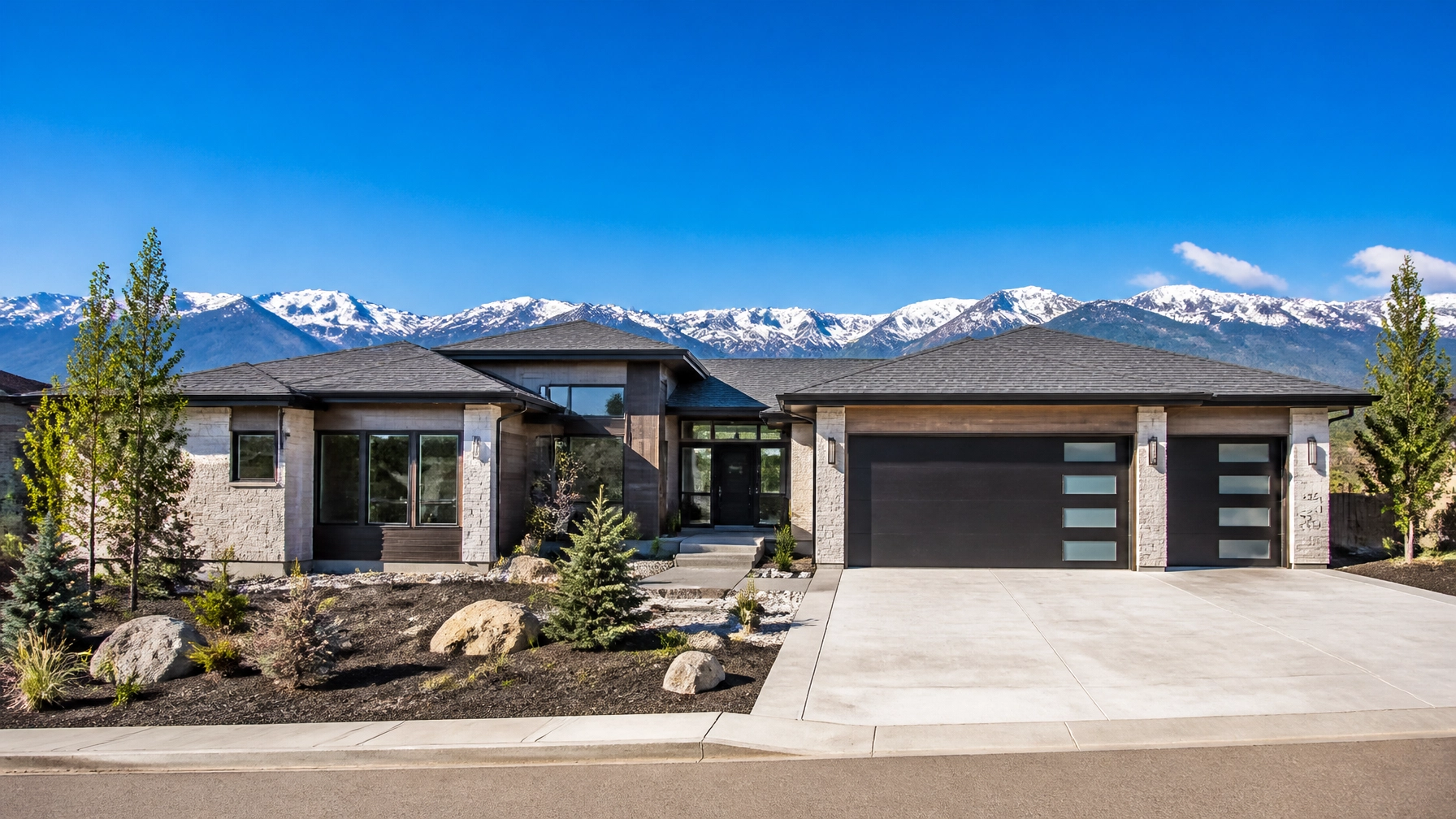
Moving to the Mile High City is an exciting chapter. Whether you’re chasing career opportunities, trading humidity for 300 days of sunshine, or wanting easier access to the Rockies, relocating to Denver 2026 is a popular choice for individuals and families alike.
However, diving headfirst into Colorado real estate for newcomers without local insight can lead to costly surprises. Every regional housing market has its own quirks, unwritten rules, and hidden expenses. To help you navigate your transition smoothly, we’ve broken down seven of the most common misconceptions out-of-state buyers have when buying a home in Denver, Centennial, Aurora, and beyond.
1. Assuming the Denver Market Operates Just Like Your Hometown
One of the biggest traps for out-of-state buyers Denver is assuming that real estate principles from California, Texas, the Midwest, or the East Coast apply here. They often don’t.
Denver’s micro-markets vary dramatically. A historic bungalow in Washington Park, a mid-century modern home in Virginia Village, and a new construction build in Aurora each follow entirely different pricing rhythms, inventory constraints, and competition levels.
> "When you're relocating, it’s easy to rely on what worked in your previous market. But Denver has distinct neighborhood dynamics where a few blocks can completely shift home values and buyer competition." : Russ Porter, Cadre
Before you start browsing listings online, take time to understand the specific nuances of the neighborhood you're eyeing.
2. Underestimating the Speed of the Market (Even in a Balanced Environment)
While Denver’s housing market in 2026 is more balanced than the frenzied pandemic years, it’s far from sluggish. Many out-of-state buyers arrive with the misconception that because inventory has stabilized, they can casually tour homes over three weekends before making a decision.
In prime locations and at accessible price points, well-maintained homes still attract multiple interested buyers quickly. If you hesitate too long on a turnkey property, you’ll likely watch it go under contract while you’re still mulling it over.
Our best advice? Partner with a local expert who can set up real-time listing alerts and provide virtual walk-throughs immediately when a great home hits the market. For a comprehensive roadmap, check out our ultimate Denver metro homebuyer guide.
3. Missing the Impact of Metro District Taxes
If you’re looking at newer master-planned communities: particularly in parts of Aurora, Centennial, or the outer Denver suburbs: you might notice tax rates that look surprisingly high compared to older neighborhoods.
Enter the Metro District (Metropolitan District). These are special taxing entities used by developers to finance infrastructure like roads, water, parks, and sewer systems in newer developments. While they make master-planned neighborhoods possible, they add an ongoing property tax mill levy that can easily tack an extra $300 to $500+ per month onto your housing payment.
Failing to verify whether a property sits within a metro district is a major budgeting mistake. Always check the specific property tax breakdown before falling in love with a newly built home.
4. Ignoring Radon and Colorado-Specific Home Issues
When you're buying from out of state, it’s easy to focus on cosmetics: granite countertops, paint colors, and flooring. But Colorado homes come with unique environmental and structural factors that demand attention during your home inspection.
- Radon Gas: Colorado has naturally occurring uranium in its soil, which breaks down into radioactive radon gas. High radon levels are common across the Denver metro area. Fortunately, it’s easily mitigated with a passive or active fan system, but you must test for it during your inspection contingency window.
- Expansive Soils: Much of the Front Range sits on expansive clay soils that swell when wet and shrink when dry. This can lead to minor foundation settling or drywall cracks. A thorough structural inspection is non-negotiable.
- Hail Damage: Colorado is hail alley. Roofs take a beating here, making roof age and condition critical components of your homeowner's insurance evaluation.
5. Assuming School Boundaries Match ZIP Codes
Families relocating to the Denver area often make the mistake of assuming that buying a home with a specific ZIP code guarantees enrollment in a particular neighborhood school.
Colorado operates under a robust School Choice framework, particularly within districts like Denver Public Schools (DPS), Aurora Public Schools (APS), and Cherry Creek School Districts. This means families can apply to schools outside their immediate residential boundary. Conversely, neighborhood boundaries for popular schools can be strict and subject to change.
If education is a priority in your move, don't guess based on online real estate portal map overlays. Dig into school district boundaries early, and read up on our guide for navigating school enrollment and settlement.
6. Overlooking HOA Fees and Rising Insurance Costs
Condos, townhomes, and master-planned communities come with Homeowners Associations (HOAs). While HOAs handle exterior maintenance, snow removal, and amenities, monthly fees can vary wildly: and they rarely go down.
Furthermore, property insurance rates across Colorado have climbed significantly over the past few years due to severe weather events, hail storms, and regional wildfire risks. Out-of-state buyers frequently budget for principal, interest, and taxes, only to experience sticker shock when their homeowners insurance quote comes in higher than expected.
Before locking in a purchase, always review HOA financials, reserve studies, and insurance quotes. For more details on what to watch out for, take a look at our insights on HOA insurance and fees.
7. Overlooking Seller Concessions and Rate Buydowns
Many out-of-state buyers enter the market with a 2020-era mindset, assuming they have to waive every contingency and fight tooth and nail just to get an offer accepted.
In today’s balanced Denver market, you have much more breathing room than you might think. Sellers who have had their homes on the market for a few weeks are often open to negotiation. Instead of just fighting for a lower purchase price, savvy buyers are leveraging seller concessions: using seller credits at closing to fund permanent or temporary interest rate buydowns.
A 2-1 rate buydown funded by a seller credit can slash your monthly mortgage payment by hundreds of dollars during your first couple of years in Colorado, preserving cash for your new home setup.
Make Your Denver Move Seamless with Cadre
Relocating to a new state is a major milestone, but you don't have to navigate it alone. At Cadre, we combine deep local expertise across Denver, Centennial, and Aurora with a transparent, educational approach that puts your financial health first. We won't rush you or let you overextend: we'll walk you step-by-step through every detail so you can land safely in your dream Colorado home.
Thinking about making the move? Get in touch with our team today to start planning your Denver relocation strategy!